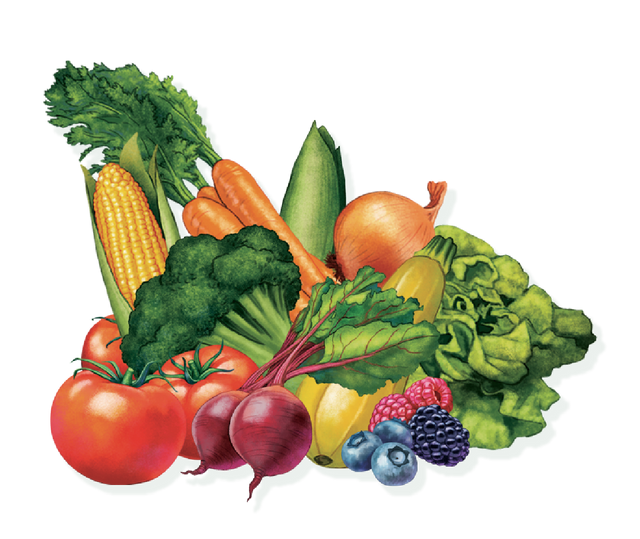
20 Vegetables to Plant in Your Garden for Fall Harvesting
By Annette Coppess
Your Garden for Fall Harvesting
Autumn is often thought of as harvest season, and for good reason! Fall gardening is very rewarding; cooler weather means fewer pests, less stress on your plants, and flavor at its peak. Plus, see which vegetables taste even better after a light frost!
These 20 vegetables are perfect for fall harvesting. They're listed from shortest growing time to longest growing time, along with their ideal grow zones and planting tips. Vegetable gardening in late summer and early fall means you'll enjoy fresher, crisper, and sweeter flavors from your homegrown produce than anything you can find at the store.
1. Radishes
-
Days to maturity: 20 to 30 days
-
Zones 2-11
-
Our top pick: Giant Parat German Radish Seed, a favorite that’s delicious to eat at any size—they stay mild and sweet, never too hot or fibrous.
Fast-growing radishes are one of the easiest crops to grow in late summer for a fall harvest. They thrive in the cool weather of autumn, producing crisp, flavorful roots. These crunchy veggies are ideal for snacking and adding to salads, or even roasting for a fall side dish. Sow seeds about ½ inch deep and 1 inch apart in loose, well-drained soil. Once seedlings emerge, thin them to 2-4 inches apart to allow room for the roots to develop.
2. Mustard Greens

-
Days to maturity: 30 to 50 days
-
Zones 3-9
-
Our top pick: Southern Giant Curled Long Standing Mustard Green Seed has a mild flavor, with heavily curled leaves on upright plants to make harvesting easy.
Mustard greens are a quick-growing leafy vegetable that does especially well when planted in late summer for fall harvest. Mustard greens thrive in the cool weather, and their flavor becomes milder and sweeter after a light frost. You’ll have plenty of fresh, spicy greens to enjoy in salad or sautés throughout the fall. Sow seeds about ¼ inch deep, spacing them 1 inch apart in rows. Once seedlings emerge, thin them to 6–12 inches apart for full-sized plants, or keep them closer for baby greens.

3. Lettuce
-
Days to maturity: 30 to 60 days
-
Zones 3-9
-
Our top pick: Gurney's® Premium Lettuce Seed Blend is a top-rated variety of quick-growing leaf and head lettuces for beautiful fall salads.
Lettuce is perfect for succession planting in late summer. Lettuce thrives in cooler temperatures, so the later you plant, the sweeter and more tender the leaves will be. By staggering your sowings, you’ll have fresh greens ready from early fall until the first hard frost. Sow small batches of seeds every 1–2 weeks to ensure a continuous harvest throughout the fall. Plant seeds about ¼ inch deep in fertile soil, and thin seedlings so they have 6–12 inches of space, depending on the variety.
4. Spinach
-
Days to maturity: 35 to 45 days
-
Zones 3-9
-
Our top pick: Gurney's® Goliath™ Spinach Seed gives you huge sweet and mild leaves (and tastes great when harvested as baby leaves, too).
Planting spinach in late summer is a great way to enjoy a fresh fall harvest. As the weather cools spinach thrives, producing tender leaves with a sweeter flavor. With its quick growth, you’ll have plenty of fresh greens before frost sets in. Sow seeds directly into the garden about ½ inch deep and 2 inches apart, in a spot with well-drained soil and full to partial sun. Keep the soil consistently moist and thin seedlings to about 4–6 inches apart once they sprout.
5. Zucchini
-
Days to maturity: 40 to 55 days
-
Zones 3-9
-
Our top pick: Gurney's® Pride Improved Hybrid Zucchini Summer Squash Seed features improved disease resistance, and plants continue to produce even after other varieties have shut down for the summer.
Zucchini grows quickly, so planting in late summer can yield fresh squash into early fall. Versatile and delicious, this squash can be incorporated into sauces, baked goods, pasta dishes, and more, adding nutrition and flavor that the whole family will love. Choose a sunny spot with soil rich in organic matter. Sow seeds directly in the garden about 1 inch deep, spacing them 2–4 feet apart to allow room for sprawling vines. Keep soil moist. While pest pressure usually decreases in fall, check for pests like squash bugs. Harvest fruits when they are 6–8 inches long for the best flavor and texture.
6. Turnips
-
Days to maturity: 40 to 60 days
-
Zones 3-10
-
Our top pick: Purple Top White Globe Turnip Seed is a favorite heirloom variety with a fine texture that makes it great for eating both fresh and cooked— a light frost will sweeten its flavor.
Turnips are a fast-growing root crop perfect for planting in late summer for a fall harvest. Both the roots and leafy greens can be harvested. Add turnips to your favorite mix of roasted vegetables, soup, and more. Sow seeds about ½ inch deep and 1 inch apart in loose soil. Once seedlings emerge, thin them to 2–4 inches apart to give roots space to mature. Enjoy tender greens early, and sweet, flavorful roots later in the season.
7. Bok Choy (Pak Choi)
-
Days to maturity: 40 to 60 days
-
Zones 3-9
-
Our top pick: Bopak Hybrid Pak Choi Seed features tender leaves and sweet crisp stalks that can be used in place of celery to add a robust texture to stir-fries, salads and more.
A fast-growing Asian green that thrives in cool weather, bok choy can be planted in late summer for fast-growing, tender greens. Harvest young, or let heads mature fully for stir-fries and soups. Sow seeds ¼ inch deep and thin plants to 6–8 inches apart. Keep the soil moist to encourage steady growth. Bok choy matures quickly, so you can begin harvesting whole heads or individual leaves within weeks, making it an ideal fall crop.

8. Swiss Chard
-
Days to maturity: 50 to 60 days
-
Zones 3-9
-
Our top pick: Perpetual Swiss Chard Seed With a similar look and taste to spinach. the tender leaves are great in salads, and mature leaves can be cooked in your favorite recipes.
Swiss Chard grows beautifully when planted in late summer for fall harvest. Chard thrives in the cooler days of autumn and can tolerate light frosts. Grow plenty to provide a steady supply of colorful, nutritious greens essential for fall soups, pasta dishes, and sides. Sow seeds about ½ inch deep, spacing them 2 inches apart in rows. Once seedlings sprout, thin them to 12–15 inches apart so each plant has room to develop strong stems and lush leaves.
9. Green Onions (Scallions)
-
Days to maturity: 50 to 60 days
-
Zones 3-9
-
Our top pick: Evergreen White Bunching Onion Seed produces tender, white-fleshed, mild stalks that are a wonderful addition to stir-fry, salads, soups, and more.
Quick and versatile, green onions are an easy fall crop. Harvest earlier for milder flavor or let them mature longer. Green onions grow quickly and are perfect for late summer planting. Sow seeds thinly in rows about ¼ inch deep and keep the soil moist. Since they don’t need much space, you can plant them close together and begin harvesting the slender stalks once they reach pencil size. Cool fall weather keeps their flavor mild and crisp.
10. Kohlrabi
-
Days to maturity: 50 to 70 days
-
Zones 3-9
-
Our top pick: Sweetie Hybrid Mixed Kohlrabi Seed is a mild-flavored mix with a refreshingly crisp and juicy texture, ideal for anything from snacking, salads, and slaws, to roasting, cooking, and sauteing.
This quirky-looking brassica has a crisp, sweet bulb-like stem. Kohlrabi matures quickly, and the cooler weather of autumn keeps its texture tender and flavor mild, perfect for harvesting when the swollen stems reach 2–3 inches across.

11. Kale
-
Days to maturity: 50 to 70 days
-
Zones 3-9
-
Our top pick: Gurney's® Winter Wonderland Mixed Kale Seed will grow a beautiful, nutritious, and flavorful mix of curly, colorful kale with a stunning range of colors and textures through the fall season.
Kale is an excellent choice to plant in late summer for a hearty fall harvest. Kale thrives in cool autumn weather, and its flavor actually improves after a light frost, becoming sweeter and more tender. Sow seeds about ½ inch deep in rich, well-drained soil, spacing them 1 inch apart in rows. As seedlings emerge, thin them to 12–18 inches apart to give the plants room to grow. Enjoy a steady supply of nutritious leaves for soup, salad, and snacking well into the fall season.
12. Beets
-
Days to maturity: 50 to 70 days
-
Zones 2-11
-
Our top pick: UnBEETable™ Hybrid Beet is a vigorous grower that is easy to harvest and features a delicious, balanced flavor.
Beets are a great late-summer planting choice for a sweet, earthy fall harvest. They thrive in the cool weather of autumn, and both the roots and tender greens can be enjoyed. Beets are rich in nutrients, and a great choice for storing into the colder months. Sow seeds about ½ inch deep and 1 inch apart, then thin seedlings to 3–4 inches apart once they sprout. Keep the soil consistently moist to encourage even growth.

13. Carrots
-
Days to maturity: 60 to 80 days
-
Zones 3-10
-
Our top pick: Crunch-A-Bunch™ Hybrid Carrot thrives in challenging conditions, making it an easy, go-to choice for growing sweet, crunchy roots.
Carrots thrive in the cool fall temperatures, and carrot flavor improves and becomes sweeter with light frosts. You’ll be pulling up fresh, crunchy carrots well into the fall season for snacking, salads, baking, soups, and more. They’re also easy to store into the colder months. Starting 40–60 days before your desired harvest date, sow seeds about ¼ inch deep and 1 inch apart in loose, well-drained soil. Soil free of rocks or clumps helps roots grow straight. Once seedlings sprout, thin them to 2–3 inches apart for best root development.
14. Peas (Sugar Snap or Snow)
-
Days to maturity: 60 to 70 days
-
Zones 3-9
-
Our top pick: Sweet Pick Pea Seed is a tried-and-true favorite with incredible yields of large, tender, delicious pea pods, grown on resilient disease-resistant plants.
Cool-weather peas are great for fall gardens, producing sweet pods before frost sets in. Peas love cool conditions, and autumn plantings often produce pods that are extra sweet and crisp. You can never have too many of these delicious peas for snacking.
15. Collard Greens
-
Days to maturity: 60 to 85 days
-
Zones: 3-10
-
Our top pick: Top Chop Hybrid Collards feature high yields of crisp, dark, tender leaves are full of sweet flavor, that regrow quickly after harvesting.
Hardy collards are excellent for late-season harvests and stand up well to frost, improving in flavor as temperatures drop. Collards are very hardy and thrive as temperatures cool, producing large, tender leaves you can harvest continuously through autumn. Sow collard greens directly into the garden in late summer for a reliable fall harvest. Plant seeds about ½ inch deep in well-prepared soil and thin seedlings to stand 12–18 inches apart.

16. Cauliflower
-
Days to maturity: 60 to 85 days
-
Zones 3-9
-
Our top pick: Snow Crown Hybrid Cauliflower Seed is one of the easiest cauliflowers to grow, vigorous and quick growing with beautiful snowy white heads.
Planting in late summer means that your cauliflower can get the steady cool weather it requires to form heads. As autumn temperatures drop, the plants will reward you with dense, tender heads perfect for fall harvesting. Seeds can be started indoors and transplanted later, or planted directly into the garden. Cauliflower needs steady moisture and even growing conditions, so avoid letting it dry out if the weather is dry.
17. Broccoli
-
Days to maturity: 60 to 90 days
-
Zones 3-9
-
Our top pick: Gurney's® Blue Ribbon Hybrid Broccoli produced huge heads, non-bitter flavor, and buttery-tender texture that is sure to win over even the pickiest eaters.
Broccoli does best when planted late in summer, giving it time to head up in the crisp days of fall. As the weather cools, plants will produce tight, green heads that hold their flavor well in autumn. Side shoots can be harvested after the main head. Sow seeds about ¼ inch deep and thin seedlings to stand 18 inches apart. Rich soil with steady watering encourages strong growth.
18. Cabbage
-
Days to maturity: 70 to 100 days (10 to 14 weeks)
-
Zones 3-9
-
Our top pick: Slaw Master™ Hybrid Cabbage is our most versatile cabbage; resilient and quick to mature, with a delicious mild flavor ideal for fresh salads and hot dishes too.
Planting cabbage ensures a steady supply of fresh, hearty vegetables for your family’s autumn dinners. Cool autumn weather helps cabbage develop firm, sweet heads just in time for fall harvesting. You can start seeds indoors 6 to 8 weeks before your first expected frost and then transplant seedlings outdoors, or direct sow them into the garden about ¼–½ inch deep. Once seedlings are established, thin or space plants 12–24 inches apart.
19. Brussels Sprouts
-
Days to maturity: 90 to 120 days (13-17 weeks)
-
Zones: 3-10
-
Our top pick: Silvia Hybrid Brussels Sprouts Seed grows plants that mature early, with 45-50 green sprouts are tightly packed on each stalk
Though slower to mature, Brussels sprouts are perfect for fall gardens. For the best, sweetest flavor, harvest your sprouts after a few frosts. Plant in late summer to give them time to mature in the cool days of fall. Start seeds indoors or direct sow, then space plants about 18–24 inches apart. They need steady moisture and rich soil to develop tall stalks lined with sprouts.

20. Garlic
-
Overwinter crop
-
Zones 3-9
-
Our top pick: California White Softneck Garlic is easy to grow, very productive, adaptable to any climate.
Store-bought garlic can’t compare! While not a fall-harvested crop, planting garlic in autumn is essential for harvesting the following summer. Garlic is best planted in late fall before the ground freezes, but you can also set cloves in late summer for an early start. The cloves will root and overwinter, then develop into full bulbs.
Tips For Planning Your Fall Harvest
-
Check your first frost date: Count back from the average to decide planting times.
-
Choose quick-maturing varieties: Fall days are shorter, so crops may need extra time to reach maturity compared to growing in spring.
-
Use season extenders: With the benefits of row covers, you can extend your harvest season and protect tender plants from early frosts.
-
Take advantage of succesion planting: Plant every 1–2 weeks for steady harvests.
-
For more tips, visit our fall gardening page!
Fall Harvest Veggies