The Wonderful World of Wineberries
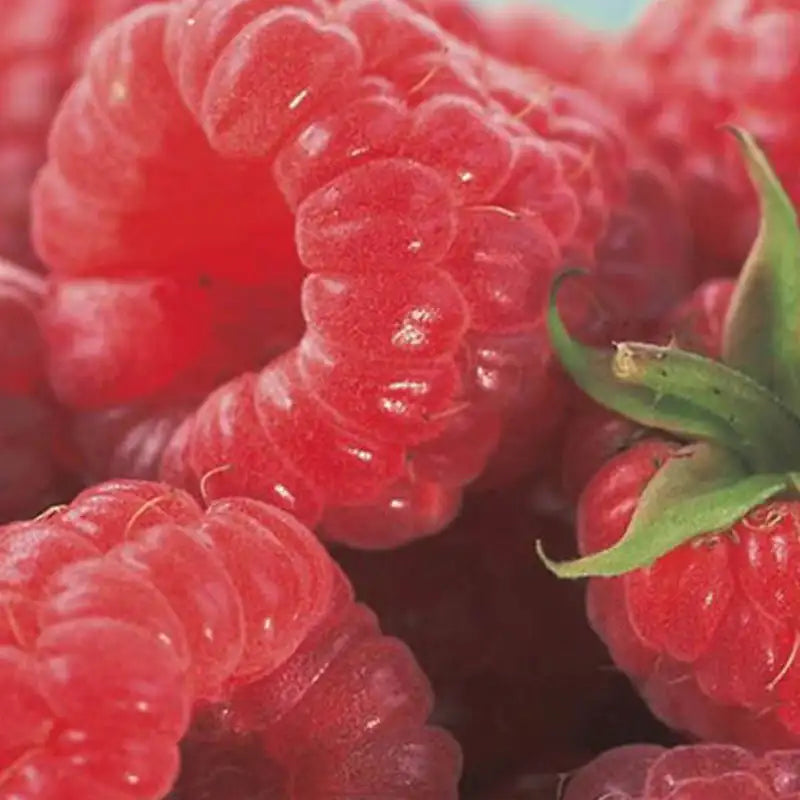
Q. On July 6th the You Bet Your Garden Facebook page featured images of my beloved wineberries, both harvested and fully ripe on the cane, which prompted Marlene Newmiller of Newmiller Farms in Three Oaks, South West Lower Michigan to write “I would like to know more about these! Show topic?”
A. Great idea—these treasures often go unappreciated, mainly because people don’t know if they’re edible or not. I found out that they are wonderfully edible by accident in 1992. It was our personal worst “summer without a summer”, and it decimated my plants. One of my tomato varieties (the excellent Siberian tomato Black Krim) survived, but all the other plants drowned or died from rickets after getting almost zero sun until late July.
My cultivated raspberries managed to survive, but produced no flowers or fruit on their second-year canes. (Luckily, that year’s new growth survived and did give us some fruit that Fall.) But my wife and kids were in tears —their first summer without homegrown raspberries!
I had noticed clusters of bright red fruits on massive prickly canes growing near the road and in the woods, but had been told that their flavor was ‘insipid’ and that the plants were invasive weeds. But, hoping to please my family, I picked a few.
Well, if that’s what ‘insipid’ tastes like, give me more! They are the juiciest berries I’ve ever tasted. The flavor is somewhat subtle, but absolutely delicious. I picked as many of the bright red fruits I could find until the birds and I had finished that year’s crop. Ever since, my family is happy when the cultivated raspberries start coming in, but jump for joy when I start bringing in the wineberries.
In his excellent and highly-recommended-by-me book “Wild Urban Plants of the Northeast”, Harvard Botanist Peter Del Tredici describes the Wineberry “as an Asian raspberry with arching stems that root at the tips, compound leaves with three leaflets each (which luckily don’t resemble the three leaves of poison ivy in any way), and small white flowers.” I note here that some sources call it “Japanese raspberry” despite not having Japonica in its name.
Peter (who I had the pleasure of interviewing on the show when the book first came out) provides the plant’s scientific name, Rubus phoenicolasius (Roo-bis fee ne coal lay see us), and writes that “all of the plants’ parts are densely covered with reddish glandular hairs that glisten in the sunlight.
HE judges the fruits to be {quote} “delicious”, adding that wineberry “grows {quote} ‘vigorously’ in moist sunny sites, and that several states list it as invasive species. In New York State, it is illegal to own or sell.
Well, poo on those disparaging states! The berries are wonderfully edible, the plant does no harm, and it provides food and shelter for wildlife, especially birds, who will compete with you for every berry.
Truly “Invasive” plants are pestiferous and difficult to remove, like running bamboo, chameleon plant and wisteria. If you don’t want wineberry, it is ridiculously easy to remove; just pull it out of the ground; easy peasy. People who want you to destroy wonderful ‘weeds’ like wineberry simply do not like plants in general and seem to enjoy making lists of ‘bad things’, whether plants or people.
Back to wineberries. One of the most striking features of the plant is that the fruits hide inside hairy pods that open up when the fruits begin to ripen. (I took a great photo of this feature; you’ll find it at our Facebook post for July 6th.) But don’t pick them orange when they first appear! For full flavor, wait until the fruits turn bright red, which is also when the birds start going after them. The berries keep surprisingly well in the fridge in the kind of perforated plastic containers you see holding strawberries in the supermarket.
This ‘fruit from a pod’ feature seems to be totally unique, and great help in identifying the plant. The fruits leave the (highly ornamental) base structures on the plant when you harvest—same as cultivated raspberries and Thimbleberries (which I call black cap raspberries). This is unlike blackberries, which don’t leave a core behind when you pick them.
Your best bet to obtain them is to study what the young plants look like (they are very distinctive) and protect them. Once they’re fully grown and fruiting, the birds will plant more for you nearby. You’ll also find them in expected places (the margins of fields and sunny spots in the woods) and UNexpected ones. (I just saw a big cluster of the canes in an unkempt area between my bank and a McDonald’s, and made a note to come back with containers the following year.)
(There was lots of mature weedy growth mixed in with them, so I was pretty confident they hadn’t been exposed to herbicides.)
You may read otherwise, but I have found them IMPOSSIBLE to transplant. I have tried to move them by carefully shoveling out large islands of dirt with tiny plants on them and they did not take. I have even tried gently moving them during heavy rains. No dice. I tried for years and then finally gave up. So: learn to recognize them, protect baby plants that spring up on your property and in the ‘wild’, and pick them promptly—or the birds will do it for you.