Should You Start Scarlet Runner Beans Seeds Indoors?
William Sage (I just had to include the last name here!) in Tyrone, PA (quote: “deep in the shadow of Mt. Nittany”) wants to perform an experiment. He writes: “I'm too lazy to put up a hummingbird feeder--actually, putting up the feeder isn't the hard part; constantly cleaning it and refilling it is the hard part. But I love hummingbirds and want to plant flowers that will attract them.
Every spring for the past several years, I’ve gone up to State College, where temporary greenhouses are set up in the parking lot of a very big box store (across from the ghost town of the mall). I ask for scarlet runner beans, and they never have that exact species, so instead, I buy plants that they tell me will attract hummingbirds. That worked more or less until this year, when the plants didn't even blossom until late September!
So, I recently went online to a seed company in Maine that you probably know of, and had a small package of seeds sent to me. So, here's the question: Can I start these seeds indoors and transplant them already growing outdoors in the spring, so they’ll produce blossoms and attract hummingbirds in the summer if not sooner?
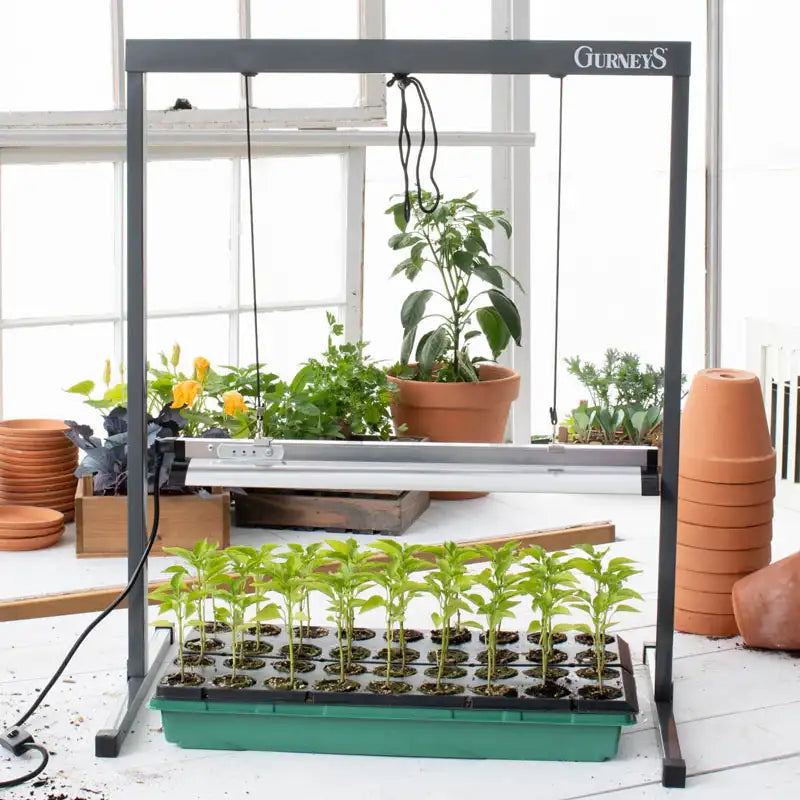
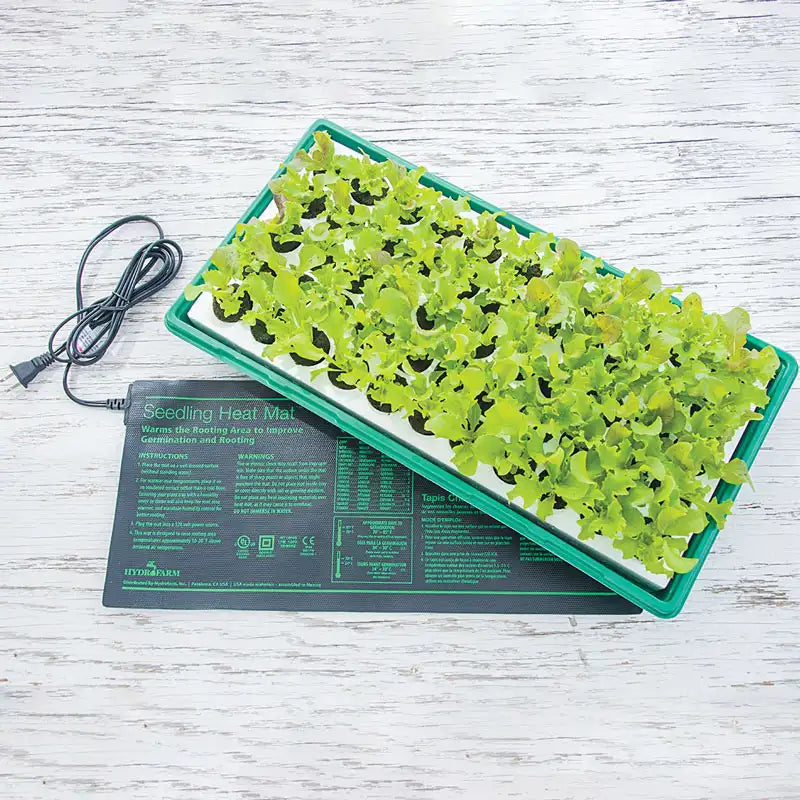
I have a sunporch and a kitchen window that both face almost due south. Is that enough? Or do I need a grow lamp? If I start them on the sunporch, do I need to heat the starter containers?”
A. Quite a few questions wrapped up in here. Let’s begin with indoor seed starting. I had never thought of growing any kind of bean ahead of time; to me, they’re a classic ‘direct seeded’ crop. But I have seen green beans and the like pre-started in some garden centers, so I guess it’s possible.
But not if you haven’t started seeds indoors before. I always warn people at this time of year that starting seeds indoors is much more difficult than growing plants outdoors. For instance, how cold do your “sunporch” and kitchen window get at night? I’m guessing it’s freezing cold on your side of the glass.
And yes, you need lights to avoid growing plants that look like Wilt Chamberlain and Joel Embid: Tall and skinny good for hoops; bad for plants. The winter sun is at the wrong angle for decent seed starting and the starts always struggle.
And you didn’t buy enough seeds to experiment with trying this both ways. I checked the site you used, and it looks like you bought a packet of 55 seeds for six dollars and 20 cents. But you could have bought a half pound (215 seeds) for Twelve bucks and a nickel! Then you’d have enough to fool around with—and be paying a solid 70% less for each seed!)
(A word to the wise for all of Youse about to order seeds: larger packets are always a better buy per seed—especially when you’re talking peas and beans, which store well and can be planted close together.)
I’m also going to chastise you for driving so far when I found 10 garden centers in your immediate area; stay away from Big Box stores! Local independent garden centers are important to the community and just as endangered as family farms!
End of rant. Scarlet runner beans (a wonderful heirloom variety whose seeds are among the most beautiful in all of horticulture) should be planted outdoors along a TALL trellis towards the end of May, early June in your area to be flowering in August. About a week before, wrap the seeds you intend to plant in slightly moist paper towels inside a Ziploc that isn’t zipped. Let it breathe.
Mist it gently if a few days go by without sprouts. But when little squiggly sprouts appear, get ready to plant. You’re now ahead by a week or two!
Obtain some pea and bean inoculant ahead of time, and roll the sprouted seeds gently around in the black powder, a beneficial bacteria that allows peas, beans, and other legumes to take their own plant-feeding nitrogen out of the air we breathe, which is mostly nitrogen. You’ll get healthier plants that feed themselves. And the spent vines are a great compost addition to shredded leaves in the Fall.
Do not skimp on the trellis! Like most other pole beans, Scarlet Runners grow extremely tall. I run them up one side of a sturdy six-foot-tall trellis and then coax them to grow back down the other side. As with all flowering plants, the more sun they get, the more flowers you’ll get. (And your area doesn’t normally crank up the heat in summer, so you won’t have to worry about protecting them from extremely high temps. Water gently every day until sprouts appear; then back off and only water if a week goes by without rain.
Don’t overfeed; an inch or two of high-quality compost would be ideal. If you must {quote} “feed”, use an organic fertilizer with a low first number on the label (N for nitrogen; add too much of this and you’ll diminish flowering [that means no manure!]) and a nice 4 or 5 each for P (Phosporus) and K (‘potash, aka potassium). No 10-10-10 or 20-20-20 or other toxic explosive nonsense!
As the first flowers fade, delicious green beans will follow; pick (and eat) these when they’re young and small for best flavor and future flowering. The more you pick, the more new flowers will form.
And yes, there are many other flowers that attract hummers; anything with red tubular flowers that ISN’T Trumpet Vine—although native (as are the beans), it’s an incredibly aggressive grower that quickly gets out of control.
Every spring for the past several years, I’ve gone up to State College, where temporary greenhouses are set up in the parking lot of a very big box store (across from the ghost town of the mall). I ask for scarlet runner beans, and they never have that exact species, so instead, I buy plants that they tell me will attract hummingbirds. That worked more or less until this year, when the plants didn't even blossom until late September!
So, I recently went online to a seed company in Maine that you probably know of, and had a small package of seeds sent to me. So, here's the question: Can I start these seeds indoors and transplant them already growing outdoors in the spring, so they’ll produce blossoms and attract hummingbirds in the summer if not sooner?
I have a sunporch and a kitchen window that both face almost due south. Is that enough? Or do I need a grow lamp? If I start them on the sunporch, do I need to heat the starter containers?”
A. Quite a few questions wrapped up in here. Let’s begin with indoor seed starting. I had never thought of growing any kind of bean ahead of time; to me, they’re a classic ‘direct seeded’ crop. But I have seen green beans and the like pre-started in some garden centers, so I guess it’s possible.
But not if you haven’t started seeds indoors before. I always warn people at this time of year that starting seeds indoors is much more difficult than growing plants outdoors. For instance, how cold do your “sunporch” and kitchen window get at night? I’m guessing it’s freezing cold on your side of the glass.
And yes, you need lights to avoid growing plants that look like Wilt Chamberlain and Joel Embid: Tall and skinny good for hoops; bad for plants. The winter sun is at the wrong angle for decent seed starting and the starts always struggle.
And you didn’t buy enough seeds to experiment with trying this both ways. I checked the site you used, and it looks like you bought a packet of 55 seeds for six dollars and 20 cents. But you could have bought a half pound (215 seeds) for Twelve bucks and a nickel! Then you’d have enough to fool around with—and be paying a solid 70% less for each seed!)
(A word to the wise for all of Youse about to order seeds: larger packets are always a better buy per seed—especially when you’re talking peas and beans, which store well and can be planted close together.)
I’m also going to chastise you for driving so far when I found 10 garden centers in your immediate area; stay away from Big Box stores! Local independent garden centers are important to the community and just as endangered as family farms!
End of rant. Scarlet runner beans (a wonderful heirloom variety whose seeds are among the most beautiful in all of horticulture) should be planted outdoors along a TALL trellis towards the end of May, early June in your area to be flowering in August. About a week before, wrap the seeds you intend to plant in slightly moist paper towels inside a Ziploc that isn’t zipped. Let it breathe.
Mist it gently if a few days go by without sprouts. But when little squiggly sprouts appear, get ready to plant. You’re now ahead by a week or two!
Obtain some pea and bean inoculant ahead of time, and roll the sprouted seeds gently around in the black powder, a beneficial bacteria that allows peas, beans, and other legumes to take their own plant-feeding nitrogen out of the air we breathe, which is mostly nitrogen. You’ll get healthier plants that feed themselves. And the spent vines are a great compost addition to shredded leaves in the Fall.
Do not skimp on the trellis! Like most other pole beans, Scarlet Runners grow extremely tall. I run them up one side of a sturdy six-foot-tall trellis and then coax them to grow back down the other side. As with all flowering plants, the more sun they get, the more flowers you’ll get. (And your area doesn’t normally crank up the heat in summer, so you won’t have to worry about protecting them from extremely high temps. Water gently every day until sprouts appear; then back off and only water if a week goes by without rain.
Don’t overfeed; an inch or two of high-quality compost would be ideal. If you must {quote} “feed”, use an organic fertilizer with a low first number on the label (N for nitrogen; add too much of this and you’ll diminish flowering [that means no manure!]) and a nice 4 or 5 each for P (Phosporus) and K (‘potash, aka potassium). No 10-10-10 or 20-20-20 or other toxic explosive nonsense!
As the first flowers fade, delicious green beans will follow; pick (and eat) these when they’re young and small for best flavor and future flowering. The more you pick, the more new flowers will form.
And yes, there are many other flowers that attract hummers; anything with red tubular flowers that ISN’T Trumpet Vine—although native (as are the beans), it’s an incredibly aggressive grower that quickly gets out of control.