How to Handle Leaf 'Litter'
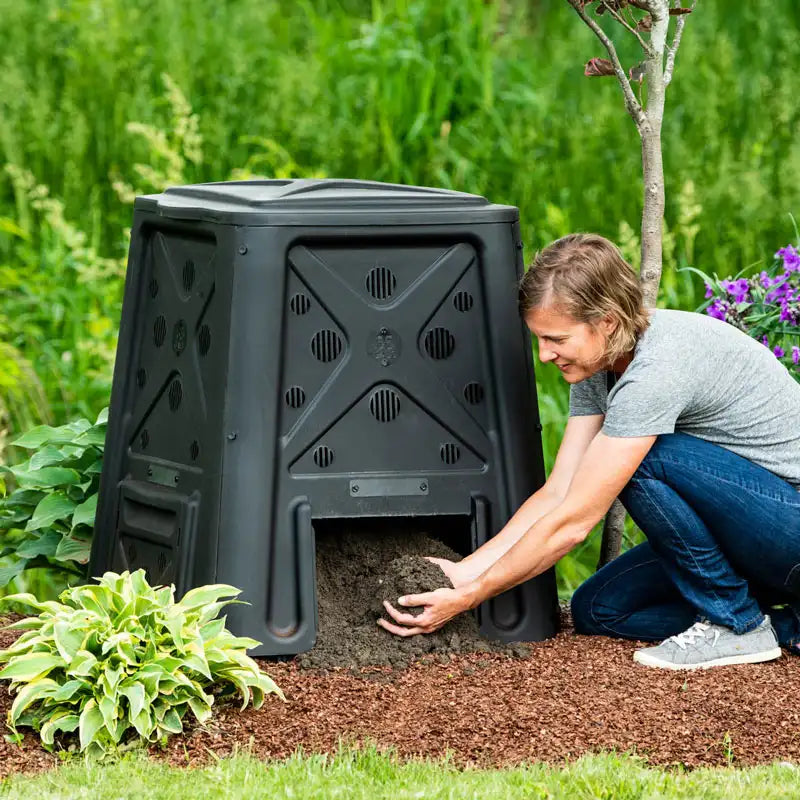
I always go on a tear this time of year, urging gardeners everywhere to shred and collect every fall leaf possible for raised bed mulching and compost making. Shredded fall leaves, after all, are the backbone of a proper organic garden: a perfect weed-suppressing mulch, and THE essential ‘dry brown’ element in a compost pile, where their carbon is difficult, if not impossible, to replace.
Paper instead of leaves? If handled correctly, shredded office paper, newsprint, and those nifty compostable take-out food containers will break down in a compost pile, but to what avail? Fall leaves are full of plant nutrition and essential micro-nutrients as well as billions of microbes; teeming with microscopic life, they put life back into worn out soils. But paper products have none of those attributes; they are sterile, nutrient-free and may contain bleach and heavy metals. Paper will technically ‘compost’ (i.e. eventually degrade) but it will not BECOME compost.
However, over the past few years, various societies and Universities have begun questioning the removal of {quote} “leaf litter”. Some delightful butterflies and important pollinators overwinter in leaf litter, they note, and collecting and shredding those fall leaves could lead to a decline in their numbers—or help explain an already obvious decline in species like lightning bugs.
I feel compelled to add that some nasty pest insects also spend winter the same way, like dangerous and aggressive yellow jackets. As the summertime hive begins to die, impregnated females take flight, overwinter in leaf litter and emerge in the spring. They find an old mouse or vole hole, fly into it, and begin to give birth to workers who will enlarge the hole and build a large complex nest inside; a nest that will contain thousands of mad stingers by mid-August.
On the other hand, one of our most amazing insects, the Hummingbird Clearwing Moth, goes through part of its life cycle nestled inside a thin cocoon under leaf litter. It’s a day-flying moth that looks and acts exactly like a tiny hummingbird and is an EXCELLENT pollinator. It’s a delight to sight one of these false hummers in the garden, buzzing away in one of Nature’s greatest disguises.
So what are we to do? Shred our leaves to make compost that will help balance the ill effects of chemical farming and gardening that deplete our soils? Or leave the leaves and let Nature take her course?
Thankfully, I don’t suffer this moral dilemma. I have a small forest just across the street, and a larger one behind and around my home, where leaves are left to nature.
We do, however, suck up the leaves that fall on our walkways and garden, and what passes for a lawn in the backyard, using a leaf blower with a vacuum setting and collection bag, which shreds them into smaller pieces as they are collected. Then we empty the bags into bins where they are mixed with spent coffee grounds and weeds that have not gone to seed, eventually creating better garden soil than anything you can buy. (Kitchen waste goes into my multi-level worm bin, to avoid attracting vermin to the outdoor compost.)
Those with a classic lawn should use a dedicated mulching mower to chop up and return those nutrients to the lawn, providing all of the food that turf grass requires.
Back to the main event: Should you leave your leaves alone? Or work with them to horticultural benefit? The answer depends a good deal on your individual situation.
Location: The pest and beneficial insects that spend the winter in leaf litter vary across the country. Did you have a severe insect problem on a specific crop this past season? Search your state’s official Extension website to see if it overwinters in your area. If it does, where? Underground or above ground? Perhaps in the stalks of plants left standing? If it’s underground, remove the leaf litter so the soil can freeze hard. If it’s in the litter, triple shred and compost those leaves. If it’s in the stems, remove them, triple-shred and compost.
Note: You MUST clean up the leaf litter underneath disease and/or insect prone plants every season. If you choose to compost it, the task must be done in a HOT pile to prevent future problems.
Conversely, you should research which butterflies, beneficials and pollinators spend the winter in leaves in your region. Unless the leaves are on your lawn or a patio, walkway or other potentially slippery surface, leave them be. Otherwise just rake them off the lawn and walkways and into small piles. That won’t hurt the good (or bad) bugs.
Leaves put out for curbside pickup: If you want to make compost and use shredded leaves for mulch, but have a small area and don’t want to risk harming overwintering sites, collect leaves that other homeowners have foolishly thrown away.
(Don’t scavenge any bags that also contain grass clippings; if those clippings come from a treated lawn, the result will be plant-killing contaminated compost.)
And if you gather more than you need, make little piles of unshredded leaves around the garden to provide wintertime homes, and use the rest (shredded of course) for mulch and compost making.
A final note: Give special protection to fallen leaves near water sources. Frogs, toads, salamanders, and lightning bugs are especially likely to use these sites.
Paper instead of leaves? If handled correctly, shredded office paper, newsprint, and those nifty compostable take-out food containers will break down in a compost pile, but to what avail? Fall leaves are full of plant nutrition and essential micro-nutrients as well as billions of microbes; teeming with microscopic life, they put life back into worn out soils. But paper products have none of those attributes; they are sterile, nutrient-free and may contain bleach and heavy metals. Paper will technically ‘compost’ (i.e. eventually degrade) but it will not BECOME compost.
However, over the past few years, various societies and Universities have begun questioning the removal of {quote} “leaf litter”. Some delightful butterflies and important pollinators overwinter in leaf litter, they note, and collecting and shredding those fall leaves could lead to a decline in their numbers—or help explain an already obvious decline in species like lightning bugs.
I feel compelled to add that some nasty pest insects also spend winter the same way, like dangerous and aggressive yellow jackets. As the summertime hive begins to die, impregnated females take flight, overwinter in leaf litter and emerge in the spring. They find an old mouse or vole hole, fly into it, and begin to give birth to workers who will enlarge the hole and build a large complex nest inside; a nest that will contain thousands of mad stingers by mid-August.
On the other hand, one of our most amazing insects, the Hummingbird Clearwing Moth, goes through part of its life cycle nestled inside a thin cocoon under leaf litter. It’s a day-flying moth that looks and acts exactly like a tiny hummingbird and is an EXCELLENT pollinator. It’s a delight to sight one of these false hummers in the garden, buzzing away in one of Nature’s greatest disguises.
So what are we to do? Shred our leaves to make compost that will help balance the ill effects of chemical farming and gardening that deplete our soils? Or leave the leaves and let Nature take her course?
Thankfully, I don’t suffer this moral dilemma. I have a small forest just across the street, and a larger one behind and around my home, where leaves are left to nature.
We do, however, suck up the leaves that fall on our walkways and garden, and what passes for a lawn in the backyard, using a leaf blower with a vacuum setting and collection bag, which shreds them into smaller pieces as they are collected. Then we empty the bags into bins where they are mixed with spent coffee grounds and weeds that have not gone to seed, eventually creating better garden soil than anything you can buy. (Kitchen waste goes into my multi-level worm bin, to avoid attracting vermin to the outdoor compost.)
Those with a classic lawn should use a dedicated mulching mower to chop up and return those nutrients to the lawn, providing all of the food that turf grass requires.
Back to the main event: Should you leave your leaves alone? Or work with them to horticultural benefit? The answer depends a good deal on your individual situation.
Location: The pest and beneficial insects that spend the winter in leaf litter vary across the country. Did you have a severe insect problem on a specific crop this past season? Search your state’s official Extension website to see if it overwinters in your area. If it does, where? Underground or above ground? Perhaps in the stalks of plants left standing? If it’s underground, remove the leaf litter so the soil can freeze hard. If it’s in the litter, triple shred and compost those leaves. If it’s in the stems, remove them, triple-shred and compost.
Note: You MUST clean up the leaf litter underneath disease and/or insect prone plants every season. If you choose to compost it, the task must be done in a HOT pile to prevent future problems.
Conversely, you should research which butterflies, beneficials and pollinators spend the winter in leaves in your region. Unless the leaves are on your lawn or a patio, walkway or other potentially slippery surface, leave them be. Otherwise just rake them off the lawn and walkways and into small piles. That won’t hurt the good (or bad) bugs.
Leaves put out for curbside pickup: If you want to make compost and use shredded leaves for mulch, but have a small area and don’t want to risk harming overwintering sites, collect leaves that other homeowners have foolishly thrown away.
(Don’t scavenge any bags that also contain grass clippings; if those clippings come from a treated lawn, the result will be plant-killing contaminated compost.)
And if you gather more than you need, make little piles of unshredded leaves around the garden to provide wintertime homes, and use the rest (shredded of course) for mulch and compost making.
A final note: Give special protection to fallen leaves near water sources. Frogs, toads, salamanders, and lightning bugs are especially likely to use these sites.