Your Summer Mosquito Plan: Misery or Victory!?
As we speak (well, as I speak and you listen), female mosquitoes that took a final blood meal in the Fall are waking up from their winter hibernation in protected areas around your home. Their energy almost spent, they must find a source of still water in which to lay their eggs.
That’s why you’re always told to empty out any standing water around your property like buckets, toys and wet plastic bags. This is also the perfect time to clean unseen breeding areas like unprotected gutters. Theoretically, if they can’t find water, that first generation will never be born, especially since common backyard female mosquitoes tend to stay within one to three hundred feet of where they were born. That’s right—the mosquito that bites you this summer was probably born on your property.
That’s why I advocate the reverse: put out as much standing water as you can and treat it with BTI; a naturally occurring soil organism that prevents mosquito eggs from morphing into biting adults. BTI poses NO risk to you or any other form of life. Dogs and birds and bees and butterflies can drink it without harm. Your kids can play in it. It only does one thing: Prevent mosquito eggs and larvae from becoming biting adults. It’s available in granular form for treating buckets and such, and in the ubiquitous donut shaped ‘dunks’ you see in every garden center, home and hardware store for tossing into ponds, pools and the like.
Your homegrown mosquitoes will cheerfully lay their eggs in the BTI water, but nothing will emerge, thus ending that family line before it can get started. Do this diligently beginning right now and you may have few-to-no mosquito problems around your home this season. Dump out the stagnant water and replenish the dunks or granules once a month. Clean birdbaths and refill with fresh water once a week and you won’t have to treat them (or repulse birds). Running water, like a stream or a crik, doesn’t need to be treated; only standing water.
And if a few skeeters do manage to escape your not so tender traps you can still safely sit on your patio unbitten by having some fans blowing around you. Backyard mosquitoes are notoriously poor flyers and are –ahem—blown away by the slightest breeze. It also feels good.
What doesn’t work: Having your yard sprayed (same with ticks), bug zappers, bat houses, citronella candles, bracelets, plants in pots or in the ground, and the myriad of other items people will suggest as solutions. This is a crucial time for you to do your research only at reputable, peer-reviewed sites, like your state’s Extension website and organizations like The American Mosquito Control Association.
Don’t visit sites that are run by exterminators or designed to sell you something. Don’t trust AI—it’s here to make us less intelligent, more lazy and less resourceful, not to help us. These are dangerous times and AI is one of the biggest threats to our continued existence and intelligence as a species.
And don’t do anything an “influencer” suggests; I have found them to be the biggest source of misinformation on the Web. Current gardening books have also mostly proven themselves to be prone to printing old information (see: bats), mis-information and rumors. This is a great time to teach kids how to look up things on their own, before that knowledge is forgotten.
What does work: Dragonflies, aka, “the mosquito hawk”. Tied with songbirds for mosquito eradication skills, all you need to do is set up perches for them throughout your garden. You’ll find lots of perch designs online.
Songbirds: It’s been estimated that many songbird species would be wiped out if mosquito control ever became 100% effective. But to have these welcome visitors do their job in your garden, DO NOT put up seed feeders. If the birds fill up on seed, they won’t bother to eat your bugs. Yes, people enjoy watching the birds at their feeders, but it is 100% for human amusement, spreads avian disease, and the spilled seed attracts mice, rats, Evil Squirrels, groundhogs, rabid raccoons and deer—just to name a few.
Instead, put up lots of nesting boxes and birdbaths where you can see them. Now THAT’S a productive show! And it’s perfectly alright to let them feed on your garden’s sunflower heads; in fact, it reinforces their ability to find food in the wild.
Away from home: wear permethrin treated protective clothing to cover most of your exposed areas. (This is even more effective against ticks; a good (commercial) source for more information is Insect Shield dot com.)
Treat exposed areas like your face with an oil of lemon eucalyptus mosquito product. Proven to be as effective as the nasty and toxic chemical DEET in field trials, it is THE safe and non-toxic mosquito repellant. You will find dozens of other plant derived mosquito repellants on the market, but none have been proven to work. Oil of lemon eucalyptus is a godsend for those of us trying to avoid toxins in an intelligent way.
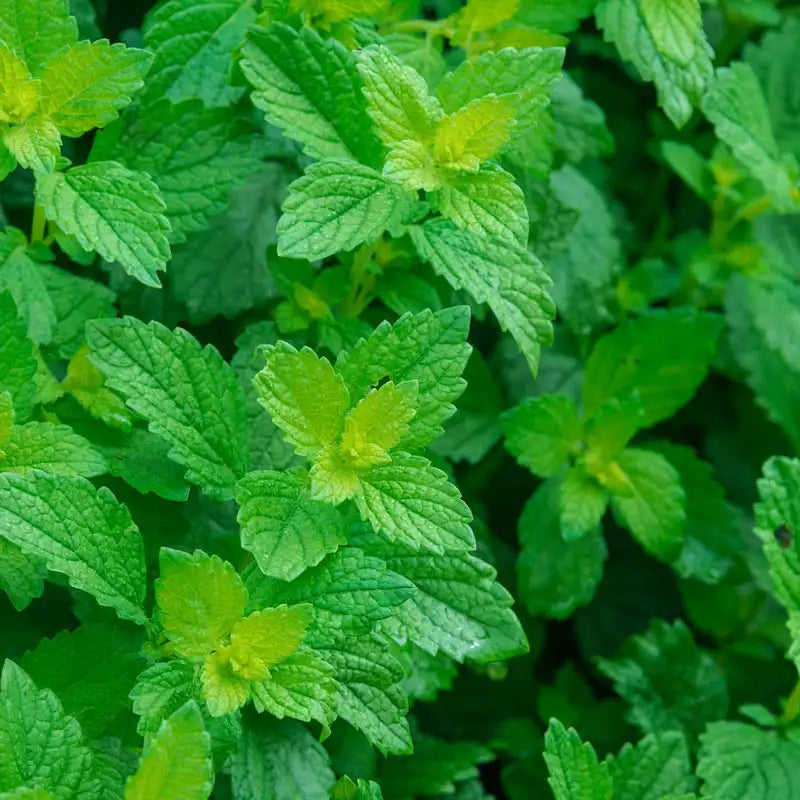
Or grow your own! Any lemon scented herb: Lemon scented thyme, lemon balm, lemon scented verbena—even lemon scented geranium, which is the famous “mosquito repelling plant” we used to see in magazine ads. But to use them effectively, you have to harvest some branches, crush up the leaves and rub them on exposed areas. Grow lots and don’t miss a spot; only covered areas are protected.
That’s why you’re always told to empty out any standing water around your property like buckets, toys and wet plastic bags. This is also the perfect time to clean unseen breeding areas like unprotected gutters. Theoretically, if they can’t find water, that first generation will never be born, especially since common backyard female mosquitoes tend to stay within one to three hundred feet of where they were born. That’s right—the mosquito that bites you this summer was probably born on your property.
That’s why I advocate the reverse: put out as much standing water as you can and treat it with BTI; a naturally occurring soil organism that prevents mosquito eggs from morphing into biting adults. BTI poses NO risk to you or any other form of life. Dogs and birds and bees and butterflies can drink it without harm. Your kids can play in it. It only does one thing: Prevent mosquito eggs and larvae from becoming biting adults. It’s available in granular form for treating buckets and such, and in the ubiquitous donut shaped ‘dunks’ you see in every garden center, home and hardware store for tossing into ponds, pools and the like.
Your homegrown mosquitoes will cheerfully lay their eggs in the BTI water, but nothing will emerge, thus ending that family line before it can get started. Do this diligently beginning right now and you may have few-to-no mosquito problems around your home this season. Dump out the stagnant water and replenish the dunks or granules once a month. Clean birdbaths and refill with fresh water once a week and you won’t have to treat them (or repulse birds). Running water, like a stream or a crik, doesn’t need to be treated; only standing water.
And if a few skeeters do manage to escape your not so tender traps you can still safely sit on your patio unbitten by having some fans blowing around you. Backyard mosquitoes are notoriously poor flyers and are –ahem—blown away by the slightest breeze. It also feels good.
What doesn’t work: Having your yard sprayed (same with ticks), bug zappers, bat houses, citronella candles, bracelets, plants in pots or in the ground, and the myriad of other items people will suggest as solutions. This is a crucial time for you to do your research only at reputable, peer-reviewed sites, like your state’s Extension website and organizations like The American Mosquito Control Association.
Don’t visit sites that are run by exterminators or designed to sell you something. Don’t trust AI—it’s here to make us less intelligent, more lazy and less resourceful, not to help us. These are dangerous times and AI is one of the biggest threats to our continued existence and intelligence as a species.
And don’t do anything an “influencer” suggests; I have found them to be the biggest source of misinformation on the Web. Current gardening books have also mostly proven themselves to be prone to printing old information (see: bats), mis-information and rumors. This is a great time to teach kids how to look up things on their own, before that knowledge is forgotten.
What does work: Dragonflies, aka, “the mosquito hawk”. Tied with songbirds for mosquito eradication skills, all you need to do is set up perches for them throughout your garden. You’ll find lots of perch designs online.
Songbirds: It’s been estimated that many songbird species would be wiped out if mosquito control ever became 100% effective. But to have these welcome visitors do their job in your garden, DO NOT put up seed feeders. If the birds fill up on seed, they won’t bother to eat your bugs. Yes, people enjoy watching the birds at their feeders, but it is 100% for human amusement, spreads avian disease, and the spilled seed attracts mice, rats, Evil Squirrels, groundhogs, rabid raccoons and deer—just to name a few.
Instead, put up lots of nesting boxes and birdbaths where you can see them. Now THAT’S a productive show! And it’s perfectly alright to let them feed on your garden’s sunflower heads; in fact, it reinforces their ability to find food in the wild.
Away from home: wear permethrin treated protective clothing to cover most of your exposed areas. (This is even more effective against ticks; a good (commercial) source for more information is Insect Shield dot com.)
Treat exposed areas like your face with an oil of lemon eucalyptus mosquito product. Proven to be as effective as the nasty and toxic chemical DEET in field trials, it is THE safe and non-toxic mosquito repellant. You will find dozens of other plant derived mosquito repellants on the market, but none have been proven to work. Oil of lemon eucalyptus is a godsend for those of us trying to avoid toxins in an intelligent way.
Or grow your own! Any lemon scented herb: Lemon scented thyme, lemon balm, lemon scented verbena—even lemon scented geranium, which is the famous “mosquito repelling plant” we used to see in magazine ads. But to use them effectively, you have to harvest some branches, crush up the leaves and rub them on exposed areas. Grow lots and don’t miss a spot; only covered areas are protected.