The reasons behind the dreaded Blossom End Rot!
Listen to the Episode!
July 24, 2026

Courtesy of the Hartford Courant.
One of our most frequent questions this time of year is “My tomatoes are turning black at the bottom; is a disease or insect to blame?” Neither, blossom end rot is a cultural problem—like reality TV shows (c’mon, you may be {quote) “naked and afraid”, but we know that there’s an entire film crew right behind you!)Anyway, this recently came up on The Abington Free Gardening Community site. It’s not any kind of primary source, but it serves as a wonderful ‘Greek chorus’ for me to snoop in on everyday gardeners.
A member named Tracey wrote: “clearly my tomatoes have blossom end rot. I don’t know if it’s my watering regimen, my soil (they’re in pots and I feed them), or what? My big question is the fruit - Do I pick and let ripen on the counter? Or do I leave them to allow vine ripening? Of course, I’ll cut off the bottoms when I eat them eventually. Does anyone have experience with blossom end rot and harvesting? I’m not going to scrap the plant.”
One member of the group cited uneven watering as the problem, while I have always stressed the importance of calcium at planting time. The University Extension websites I visited seem to mostly agree on the emphasis with me. Here’s the opening paragraph about BER at the Extension site at the University of Wisconsin at Madison (a GREAT city, I must add):
{quote}: “Blossom end rot is caused by a lack of calcium in the fruit. Often there is plenty of calcium in the soil, but its availability for uptake is impaired by drought stress, alternating soil moisture extremes, waterlogged or cold soils, and/or high concentrations of nitrogen, potassium (K+), and/or magnesium (Mg++) in the soil. In addition, high relative humidity OR low relative humidity in combination with hot, windy weather can limit transpiration, thus preventing calcium from reaching the fruits.”
So, if Tracey is using a chemical fertilizer like Miracle-Gro, Osmocote, or even worse, a completely unbalanced chemical fertilizer labeled 10-10-10 or even worse 20-20-20, that’s the problem. Overfertilizing with almost any nutrient (especially Nitrogen) will inhibit the uptake of calcium. I have often said that NPK labels should be expanded to include calcium (which would make them NPKCa).
Plus, growing tomatoes in pots can work well with determinate (bush) varieties (if the pot is big enough), but leads to heartbreak for Indeterminates, whose vines will grow 10 to 14 long. (That’s why I stress the need for big, sturdy, staked cages (you stake the CAGE, not the plant) to support these wonderful monsters.
Another common problem is growing more than one plant per pot. The roots of two plants should never touch each other; it slows the growth of both.
I jumped in to agree with the members who said ‘calcium in the planting hole’ like Mary Ruiz, who replied with a ‘right on!”.
Member Robert had a great comment:
“BER is blamed on calcium deficiency but is really as much a watering problem. Uneven and irregular watering can also cause it. Everyone here will have a different remedy, but I'd cut back on watering to allow the soil to dry out...then water a couple of times a week. There are commercial and household remedies but egg shells are not a solution at this point because they simply don't release their calcium very quickly.”
To which I heartily agree—and container plants are notoriously difficult to keep evenly watered.
Here’s a nice summation from Wisconsin:
“Avoid conditions where there is too much or too little water. Water evenly and mulch the soil to retain moisture during dry periods. Do NOT over-fertilize. Have your soil tested to determine if there is sufficient calcium in the soil. If not, add bonemeal or lime at planting time. However, use of lime tends to increase soil pH. (A pH of about 6.5 is ideal for growing most vegetables.) Finally, grow vegetable varieties/cultivars that are tolerant of calcium deficiencies and less likely to show blossom end rot symptoms.”
To which I can only add, well said.
And then this from the University of Georgia:
“If pre-plant soil test Calcium levels are in the medium (801 to 1,200 lb Ca/acre) or high range (>1,200 lb Ca/acre), it is assumed that soil Ca levels are sufficient for crop growth. This is even more true for soil pH ≥ 6.0.”
Back to Tracey: I think that it’s perfectly safe to eat any good parts, but in my experience, there won’t be any. I suggest she strip off all of the affected tomatoes and toss them in the compost. (BER is not contagious). Then she could either put a bunch of eggshells into a blender with some water, pour the liquid in a circle around the plants and cover with some high-quality compost to get the liquified calcium active asap. Water deeply to get things started.
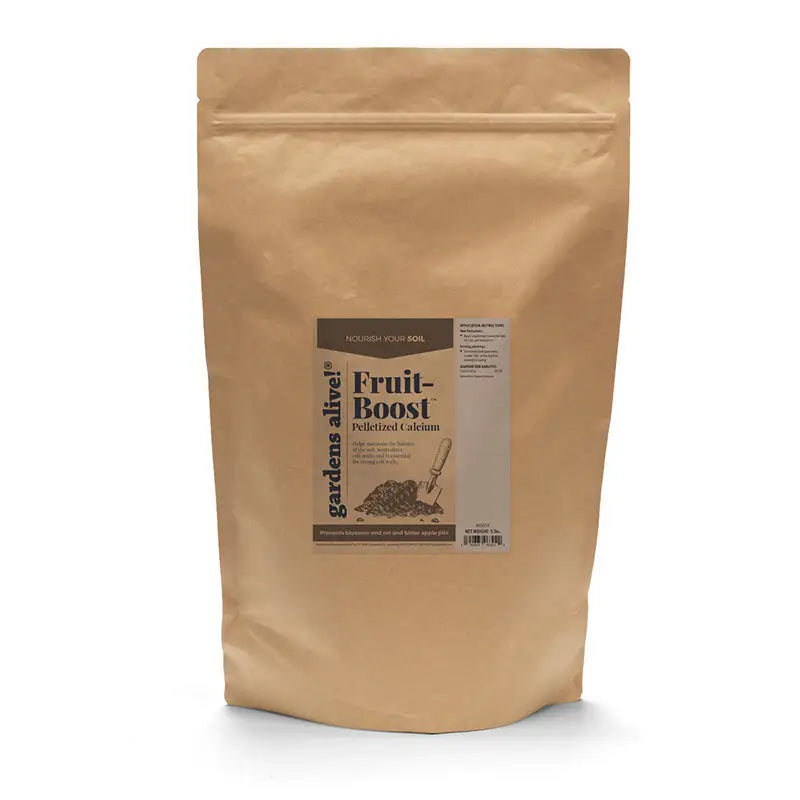
You can also use pelletized calcium. Make a circle about two inches deep and six inches away from the stem, apply the calcium, cover with compost to get it activated and water deeply. Pick off any new fruits that show signs of the rot. Removing them promptly will stimulate new fruit production. And don’t worry—you still have a lot of season left to get good fruits from fully grown plants.
I was going to talk about liquid calcium but all the Extension sites I checked said that there’s no evidence that it works when sprayed on plant leaves as directed. And finally, the history Geek in me just had to add this gem from the Georgia Extension:
“Had the ancient Roman Empire not developed concrete, the domed buildings, arched bridges and aqueducts we see today would not still exist to give testimony to the Romans’ ingenuity and the durability of a simple mineral: limestone. Although calcium (Ca) is well known as the main ingredient in limestone, it has also been used for building strong plant cell walls since long before man discovered its uses for lasting architecture.
Calcium serves several functions in plants, including transport processes of cell membranes and assisting with extension of primary root systems. For vegetable producers, calcium’s most important function during the crop fruiting stage is its role in cell wall/cell membrane stability.”