Spring Lawn Care: Leave it alone!
First, I wish to assail, assault and annihilate the lame would-be leprechaun currently screaming at innocent people watching TV. I am, myself, part leprechaun, and can assure you that none of us would be screaming “FEED YOUR LAWN: FEED IT!”, especially in the Spring. [Spoiler alert: NEVER feed a cool season lawn in the Spring.]
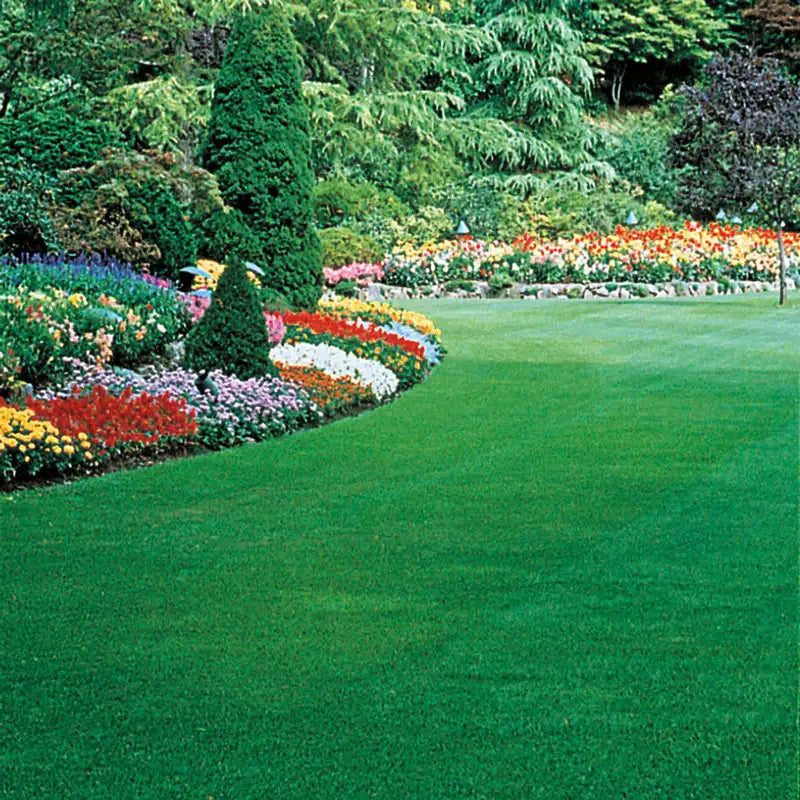
Non-torrid areas of the US have {quote} “cool-season lawns” comprised of bluegrass, fescue and/or rye. These grasses are native to the UK, which has the perfect climate for them. As they spread to other countries, they were used to create vistas; areas of green meant to be seen at a distance.
PS: No turf grass is native to the U.S. {quote} “Kentucky bluegrass” is from Ireland.
In my old lawn care lectures I would tell people to stand overtop of an area of their lawn and look down. They’ll probably see a couple of bare spots and weeds and are overcome by the compulsion to ‘fix it’. (And, just like home repairs that you’re not qualified to perform, the ‘fix’ quickly becomes an episode of a sitcom, with you generating the laughter.
“But I can fix that lawn in five minutes”, I continued. “Walk 50 feet or so away from the lawn, turn around and look back. What do you see? A seemingly perfect vista of green. Miraculous!”
Lawns were never meant to be stared at up close, and if you are one of ‘those people’ you will only succeed at making yourself miserable. Perhaps meditation, medication or hypnosis could help, but—as with many things in life—the lesson is NOT to stare at minor imperfections.
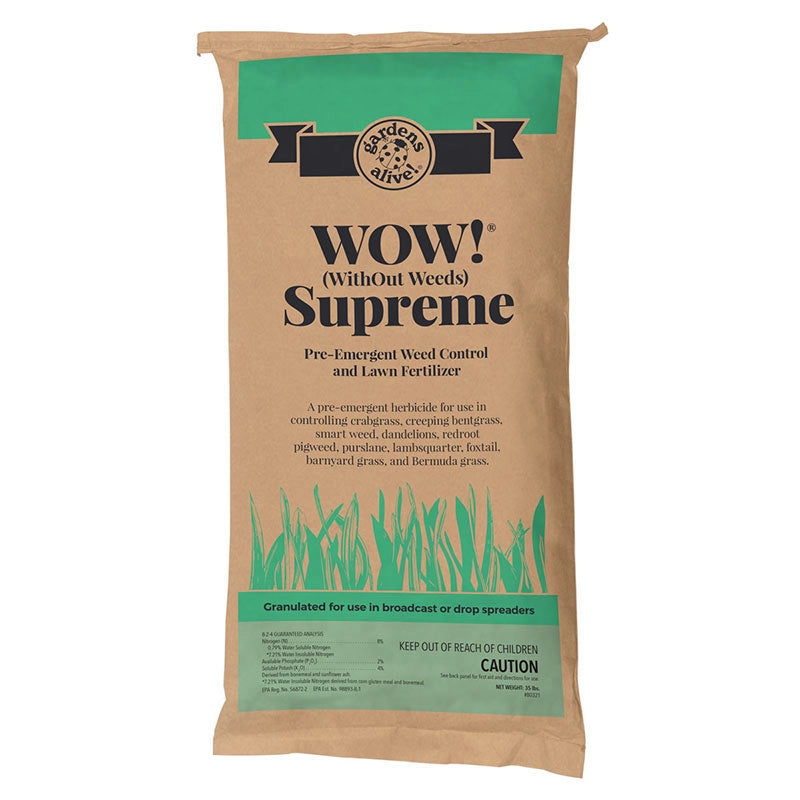
I know the stores are loaded with toxic lawn care products in the Spring, and if there is one thing we humans are good at, it is selling things to other people by wrapping them up in an attractive package, which tied to other advertising, is designed to make you feel guilty if you don’t buy it. “You’re letting the entire neighborhood down; buy those bags and spread ‘em!” warn the villagers who don’t have pitchforks because they wouldn’t know what to do with them.
One exception: Applying corn gluten meal in the early Spring to prevent dormant crabgrass seeds from sprouting. And adding beneficial nematodes once the soil warms up so they can kill soon-to-have-been Japanese beetles before they can hatch into ravenous adults.
OK—that is two things. Just wanted to make you realize you’re taking advice from a guy who can’t count. To two.
OK—what can you do now? Do NOT cut your lawn lower than 3 inches in sun; 3 and a half in shade—and that is after cutting. Otherwise, you’re removing so much greenery that the grass can no longer photosynthesize, begins to brown out and die.
Three inches of green is NOT a {quote} “tall cut”, it’s the cut that your lawn requires to be naturally healthy. And it fills in some of the bare spots caused by your scalping.
Otherwise, your lawn will probably need water. Here in my part of PA, we are caught in what I call “an invisible drought”. You don’t notice it, but we have gone more than a week without rain, face a week (and more) with no rain in the forecast and we started out ten inches below our historical average. (That’s why my township has posted large “Burn ban in effect” signs and the weather-guessers on TV warn of severe wildfire danger.)
But watering any plant for 20 minutes or so in the afternoon (like when you get home from work or whatever) is worse than useless. To fully saturate, plants need an inch of water delivered all at once; once a week in normal times; twice during really hot weeks or until a drought is over. And only in the morning.
To prevent disease, you must NOT water in the evening; and watering in the heat of the day is also worse than useless. You want to stop the water in time for things to dry out before evening.
I set up a simple impact sprinkler to cover most of my vegetable garden and hook up a timer to turn it on at 4 am and off at nine. Those of you with automatic systems should be able to adjust them to this schedule (and if not, why not?).
DEEP watering saturates the roots, and then not watering for a spell allows those roots to dry—and maybe even grow new roots that reach deeper, making your lawn more resistant to extended periods of dryness.
A rain gauge is a great help here. Empty it once a week—say on Sunday. If it held an inch of rain, don’t water right away, because a drowned plant is a VERY unhappy plant. If it held more, great—don’t water again until you go a week without significant rain.
And finally, mow ONLY with a freshly sharpened (or brand new) blade. A dull blade rips the grass blades to shreds. A sharp cut just takes a little off the top without destruction.
And yes, you will get to do things that will benefit your cool-season lawn, but only in the Fall. I promise to cover that topic this summer, after this NPR show goes dark, and when I move to the Garden’s Alive/Gurney website, where new work from me will appear every week, specifically at the You Bet Your Garden section of the Gardens Alive/Gurney’s website—home to the written version of the Question of the Week for many decades.
We will continue with fresh material and some surprises we haven’t quite worked out yet, but I am NOT going away. I’m just downsizing and there’s a lot of work still to be done!
Oh—and until then, we still got shows to do for NPR, WDIY, and our wonderful affiliate stations. So please call and/or email us some fresh questions!
Non-torrid areas of the US have {quote} “cool-season lawns” comprised of bluegrass, fescue and/or rye. These grasses are native to the UK, which has the perfect climate for them. As they spread to other countries, they were used to create vistas; areas of green meant to be seen at a distance.
PS: No turf grass is native to the U.S. {quote} “Kentucky bluegrass” is from Ireland.
In my old lawn care lectures I would tell people to stand overtop of an area of their lawn and look down. They’ll probably see a couple of bare spots and weeds and are overcome by the compulsion to ‘fix it’. (And, just like home repairs that you’re not qualified to perform, the ‘fix’ quickly becomes an episode of a sitcom, with you generating the laughter.
“But I can fix that lawn in five minutes”, I continued. “Walk 50 feet or so away from the lawn, turn around and look back. What do you see? A seemingly perfect vista of green. Miraculous!”
Lawns were never meant to be stared at up close, and if you are one of ‘those people’ you will only succeed at making yourself miserable. Perhaps meditation, medication or hypnosis could help, but—as with many things in life—the lesson is NOT to stare at minor imperfections.
I know the stores are loaded with toxic lawn care products in the Spring, and if there is one thing we humans are good at, it is selling things to other people by wrapping them up in an attractive package, which tied to other advertising, is designed to make you feel guilty if you don’t buy it. “You’re letting the entire neighborhood down; buy those bags and spread ‘em!” warn the villagers who don’t have pitchforks because they wouldn’t know what to do with them.
One exception: Applying corn gluten meal in the early Spring to prevent dormant crabgrass seeds from sprouting. And adding beneficial nematodes once the soil warms up so they can kill soon-to-have-been Japanese beetles before they can hatch into ravenous adults.
OK—that is two things. Just wanted to make you realize you’re taking advice from a guy who can’t count. To two.
OK—what can you do now? Do NOT cut your lawn lower than 3 inches in sun; 3 and a half in shade—and that is after cutting. Otherwise, you’re removing so much greenery that the grass can no longer photosynthesize, begins to brown out and die.
Three inches of green is NOT a {quote} “tall cut”, it’s the cut that your lawn requires to be naturally healthy. And it fills in some of the bare spots caused by your scalping.
Otherwise, your lawn will probably need water. Here in my part of PA, we are caught in what I call “an invisible drought”. You don’t notice it, but we have gone more than a week without rain, face a week (and more) with no rain in the forecast and we started out ten inches below our historical average. (That’s why my township has posted large “Burn ban in effect” signs and the weather-guessers on TV warn of severe wildfire danger.)
But watering any plant for 20 minutes or so in the afternoon (like when you get home from work or whatever) is worse than useless. To fully saturate, plants need an inch of water delivered all at once; once a week in normal times; twice during really hot weeks or until a drought is over. And only in the morning.
To prevent disease, you must NOT water in the evening; and watering in the heat of the day is also worse than useless. You want to stop the water in time for things to dry out before evening.
I set up a simple impact sprinkler to cover most of my vegetable garden and hook up a timer to turn it on at 4 am and off at nine. Those of you with automatic systems should be able to adjust them to this schedule (and if not, why not?).
DEEP watering saturates the roots, and then not watering for a spell allows those roots to dry—and maybe even grow new roots that reach deeper, making your lawn more resistant to extended periods of dryness.
A rain gauge is a great help here. Empty it once a week—say on Sunday. If it held an inch of rain, don’t water right away, because a drowned plant is a VERY unhappy plant. If it held more, great—don’t water again until you go a week without significant rain.
And finally, mow ONLY with a freshly sharpened (or brand new) blade. A dull blade rips the grass blades to shreds. A sharp cut just takes a little off the top without destruction.
And yes, you will get to do things that will benefit your cool-season lawn, but only in the Fall. I promise to cover that topic this summer, after this NPR show goes dark, and when I move to the Garden’s Alive/Gurney website, where new work from me will appear every week, specifically at the You Bet Your Garden section of the Gardens Alive/Gurney’s website—home to the written version of the Question of the Week for many decades.
We will continue with fresh material and some surprises we haven’t quite worked out yet, but I am NOT going away. I’m just downsizing and there’s a lot of work still to be done!
Oh—and until then, we still got shows to do for NPR, WDIY, and our wonderful affiliate stations. So please call and/or email us some fresh questions!