Hard Times for Hydrangeas
Q: Mary J in Southampton NJ writes: my hydrangeas look simply terrible after this past, tough winter. Leaf buds are partly brown and stunted. However, there is some new greening at the bottom of each plant. Do I simply cut them all back and forgo any flowers this year? How do I prevent this from happening again? Thank you!
A. I solved this way-too-frequent problem years ago by just not looking at my hydrangeas anymore. Springtime heat waves followed by bud-killing hard freezes seem to have become the norm—We hit a frigid, almost-record 24 degrees Fahrenheit the night of April 20th/21st, following an almost record setting heat wave that kissed the 90’s in much of the Mid-Atlantic a week before that.
That’s right—do the math. A series of days in the high 80s wakes everything up and then somebody opens the freezer door the following week for another almost-record setter, but in the opposite direction.
And it ain’t over: This episode of YBYG first airs on May 15th and will be preceded by a chilly 41 a few nights before, so I doubt I’ll have any tender crops like tomatoes, peppers and bush beans in the ground at that point.
Remember: Frosts and freezes are one thing, but you also need to avoid having the plants of summer outside during “The Twilight Zone” of the 40s. These are tropical plants and freezing temps are not the only indicator that it’s still too early to plant them. Crops planted when nights are still in the forties will mature a good two weeks late—at best.
Wait until nighttime temps are reliable in the 50s, plant in the evening to avoid the tiny things being scorched by the sun before they can get acclimated, and success shall be yours. Unless it snows in June.
Now, back to hydrangeas proper. Certain types only bloom on new wood and shouldn’t be affected by this weather madness as their buds have not yet formed. These include the ‘smooth’ (H. arborescens) and panicle varieties (H. paniculata).
Smooth hydrangeas bloom early to mid-summer on new wood and produce large, rounded flower heads in white, pink, or green. Panicle hydrangeas feature cone-shaped flower clusters that start white and gradually turn pink or red as the season progresses, with blooms appearing mid to late summer and continuing into fall.
The most common old wood bloomer is the Bigleaf Hydrangea (Hydrangea macrophylla): It produces large, round "mophead" or delicate "lacecap" blooms that can be pink, blue, purple, or white depending on soil acidity. (This is what I got. They were a gift so I had no choice. If I did have a choice and knew what I know now, I would have gone with the panicles, which always look depressingly great in my neighbor’s gardens.)
There are many other types. Search online photos to try and match what you have (or had) in previous seasons if you’re not sure of your specific cultivar.
Old wood bloomers produce their flower buds the previous year and are seriously at risk of ‘false Spring’ damage, which explains why I’m lucky to get a good show four out of ten seasons. If you know that’s what you have and a late frost/freeze is predicted, water the hell out of the plants in the days before. Saturated soil gives them a couple degrees of wiggle room.
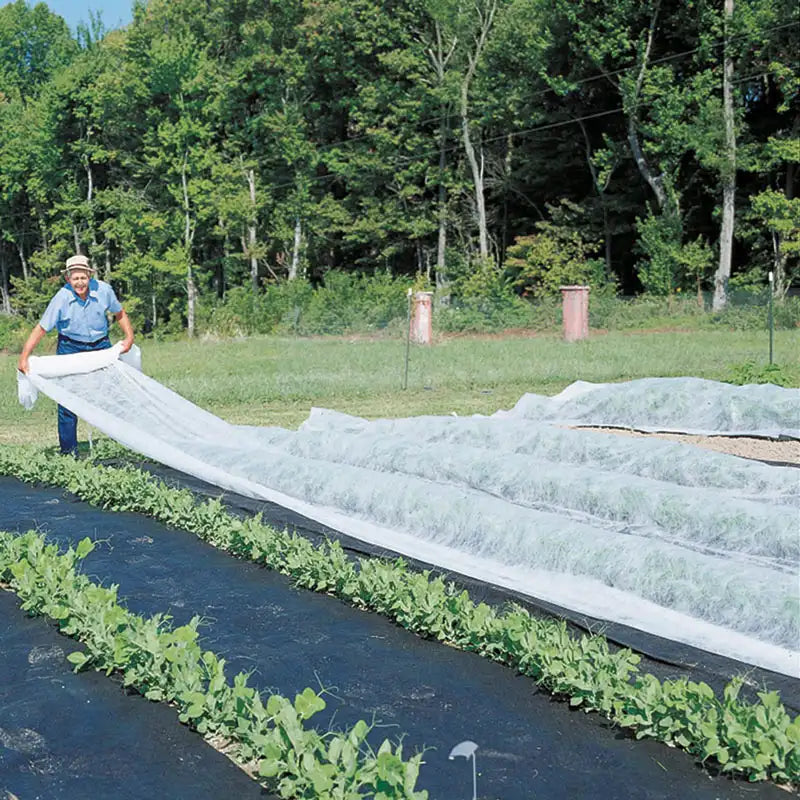
Then you have two choices. The easiest is to cover the plants with floating row cover. These spun-polyester ‘blankets’ are widely available and come in different “strengths”; heavy duty for situations like this and lightweight for protecting plants from insect attack during the season.
If you’re one of those gardeners who refuses to buy anything (you’ll know this by all the ‘ugliest use of five-gallon bucket’ awards you’ve received), use sheer curtains instead.
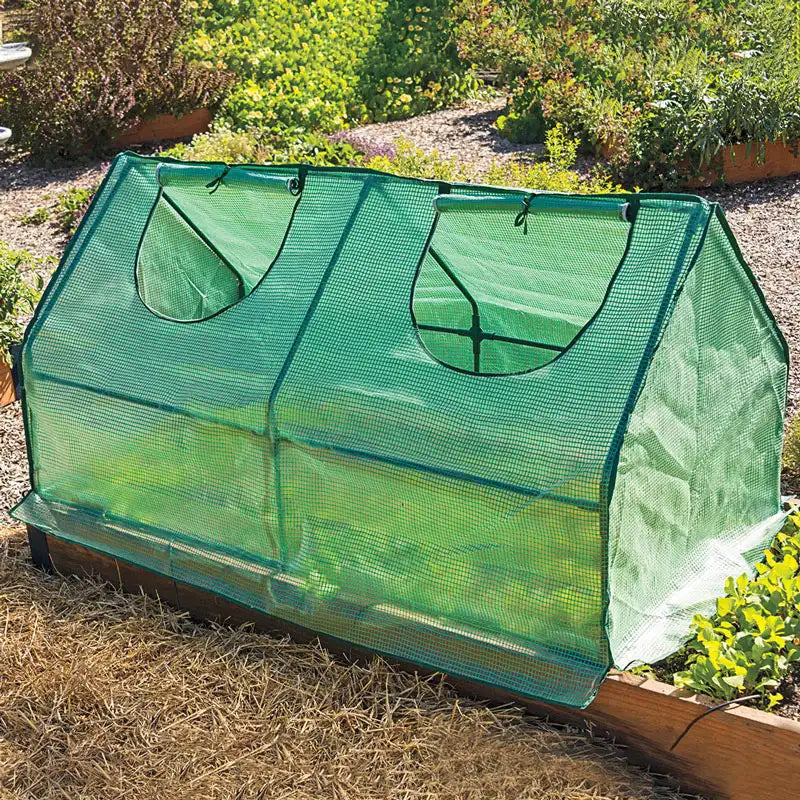
They’ll prevent frost from settling on the plants proper, but won’t crush them the way tarps would. And they allow for essential air circulation the way that black plastic can’t. No blankets either! Your protection must be lightweight and breathable. And it’ll work even better if you toss it on top of some support, like tomato cages, to make sure the frost can’t settle on the leaves.
Have this tattooed on your hand: “Just because you have a lot of something doesn’t mean you should use it in the garden!”
OK; you’re prepared for next year. But what do you do now?
First, of course, you follow my favorite rule and ‘do nothing’. You can’t reverse existing damage, but sometimes the plant themselves can—if you leave them alone for the next month or so.
Then, because hydrangea pruning is difficult even in good times, I suggest you continue to do nothing until other hydrangeas begin blooming in your neighborhood. Then continue to do nothing.
That greenery at the bottom is the sign that, like unprotected fig trees, you can freeze the above ground growth of hydrangeas but the roots will survive, and you could still get some flowers. A week or two after new flower growth stops, prune out any shoots that are in front of the blooms that did appear so the few flowers you have are more visible.
Then snap off any dried-out ‘really most sincerely’ dead’ canes. If you have an old wood bloomer, try and leave the poor thing alone and hope for better weather next year. If it’s a ‘new wood’ variety, cut just enough canes to show off the flowers, but stop by the middle of July to ensure you have adequate bio-mass to keep the plant healthy.
A. I solved this way-too-frequent problem years ago by just not looking at my hydrangeas anymore. Springtime heat waves followed by bud-killing hard freezes seem to have become the norm—We hit a frigid, almost-record 24 degrees Fahrenheit the night of April 20th/21st, following an almost record setting heat wave that kissed the 90’s in much of the Mid-Atlantic a week before that.
That’s right—do the math. A series of days in the high 80s wakes everything up and then somebody opens the freezer door the following week for another almost-record setter, but in the opposite direction.
And it ain’t over: This episode of YBYG first airs on May 15th and will be preceded by a chilly 41 a few nights before, so I doubt I’ll have any tender crops like tomatoes, peppers and bush beans in the ground at that point.
Remember: Frosts and freezes are one thing, but you also need to avoid having the plants of summer outside during “The Twilight Zone” of the 40s. These are tropical plants and freezing temps are not the only indicator that it’s still too early to plant them. Crops planted when nights are still in the forties will mature a good two weeks late—at best.
Wait until nighttime temps are reliable in the 50s, plant in the evening to avoid the tiny things being scorched by the sun before they can get acclimated, and success shall be yours. Unless it snows in June.
Now, back to hydrangeas proper. Certain types only bloom on new wood and shouldn’t be affected by this weather madness as their buds have not yet formed. These include the ‘smooth’ (H. arborescens) and panicle varieties (H. paniculata).
Smooth hydrangeas bloom early to mid-summer on new wood and produce large, rounded flower heads in white, pink, or green. Panicle hydrangeas feature cone-shaped flower clusters that start white and gradually turn pink or red as the season progresses, with blooms appearing mid to late summer and continuing into fall.
The most common old wood bloomer is the Bigleaf Hydrangea (Hydrangea macrophylla): It produces large, round "mophead" or delicate "lacecap" blooms that can be pink, blue, purple, or white depending on soil acidity. (This is what I got. They were a gift so I had no choice. If I did have a choice and knew what I know now, I would have gone with the panicles, which always look depressingly great in my neighbor’s gardens.)
There are many other types. Search online photos to try and match what you have (or had) in previous seasons if you’re not sure of your specific cultivar.
Old wood bloomers produce their flower buds the previous year and are seriously at risk of ‘false Spring’ damage, which explains why I’m lucky to get a good show four out of ten seasons. If you know that’s what you have and a late frost/freeze is predicted, water the hell out of the plants in the days before. Saturated soil gives them a couple degrees of wiggle room.
Then you have two choices. The easiest is to cover the plants with floating row cover. These spun-polyester ‘blankets’ are widely available and come in different “strengths”; heavy duty for situations like this and lightweight for protecting plants from insect attack during the season.
If you’re one of those gardeners who refuses to buy anything (you’ll know this by all the ‘ugliest use of five-gallon bucket’ awards you’ve received), use sheer curtains instead.
They’ll prevent frost from settling on the plants proper, but won’t crush them the way tarps would. And they allow for essential air circulation the way that black plastic can’t. No blankets either! Your protection must be lightweight and breathable. And it’ll work even better if you toss it on top of some support, like tomato cages, to make sure the frost can’t settle on the leaves.
Have this tattooed on your hand: “Just because you have a lot of something doesn’t mean you should use it in the garden!”
OK; you’re prepared for next year. But what do you do now?
First, of course, you follow my favorite rule and ‘do nothing’. You can’t reverse existing damage, but sometimes the plant themselves can—if you leave them alone for the next month or so.
Then, because hydrangea pruning is difficult even in good times, I suggest you continue to do nothing until other hydrangeas begin blooming in your neighborhood. Then continue to do nothing.
That greenery at the bottom is the sign that, like unprotected fig trees, you can freeze the above ground growth of hydrangeas but the roots will survive, and you could still get some flowers. A week or two after new flower growth stops, prune out any shoots that are in front of the blooms that did appear so the few flowers you have are more visible.
Then snap off any dried-out ‘really most sincerely’ dead’ canes. If you have an old wood bloomer, try and leave the poor thing alone and hope for better weather next year. If it’s a ‘new wood’ variety, cut just enough canes to show off the flowers, but stop by the middle of July to ensure you have adequate bio-mass to keep the plant healthy.