Do Bat Houses Really House Bats?
As you may or may not recall, last week’s feature explained in depth how bug zappers don’t zap many—or any—mosquitoes; but they DO kill a lot of beneficial insects and spray you with electrified bug guts.
This explanation was prompted by my discovery of a post at a website called “Kindness for all Living Beings” urging people not to use the useless machines. However, later posts and comments did urge people to put up bat houses, and included the claim that “one bat can eat between one and twenty-five thousand mosquitoes a night” and then went on to explain how to build and position a bat house that will actually house bats.
As the Beach Boys sang, ‘wouldn’t it be nice?”
The Benton County Mosquito Control District of Washington State is one of many reliable sources that explain how this idea got into people’s heads.
And we quote: “In 1960, D.R. Griffin, F.A. Webster, and C.R. Michael published a study, "The Echolocation of Flying Insects by Bats" in the journal Animal Behavior, 8:141-154. (Citation included in this story.) The purpose of their study was to test and observe the echolocation of bats, not their feeding habits. So what better target than something small like mosquitoes to really test the bats’ ability to find prey?
• Only 'proven hunters' were used. The scientists made sure to use bats that had been observed to be active and aggressive hunters.
• The testing room was 8 feet by 16 feet in size.
• Hunting sessions were 10-15 minutes in length.
• 2,000 mosquitoes, and only mosquitoes, were released into the testing room.
One bat did achieve capturing 9.5 mosquitoes per minute (on average). This same bat on another testing round captured only 1.7 mosquitoes per minute (avg).
• The scientists also recorded that "On other occasions the same bats gained very little weight, or even lost weight while flying in the chamber."
• That one time a bat achieved the 9.5 mosquitoes per minute capture rate was what was later used to come up with the claim that "bats eat 600 mosquitoes per hour".
The researcher’s Conclusions:
• The Benton County Researchers conclude {quote} “We agree with the assertion that bats will feed upon mosquitoes, but based upon numerous other studies, we believe it has been shown that bats are opportunistic feeders and are not an effective or reliable form of mosquito control.
• Our concern is the misinformation that comes from taking one sentence out of an entire study and then making wide sweeping assumptions that may affect the public’s perception on what are effective mosquito control tactics.
Purple Martins: Mosquito Eating Machines?:
Another popular myth is that Purple Martins eat extremely large numbers of mosquitoes daily. The Purple Martin Conservation Society addresses this issue at their website: www.purplemartin.org where it states, "Purple Martins do not eat a large number of mosquitoes. Martins feed high in the sky during the daytime, so they do not come into contact with mosquitoes very often." Nighthawks might be the best mosquito-eating birds, as they also fly by night.
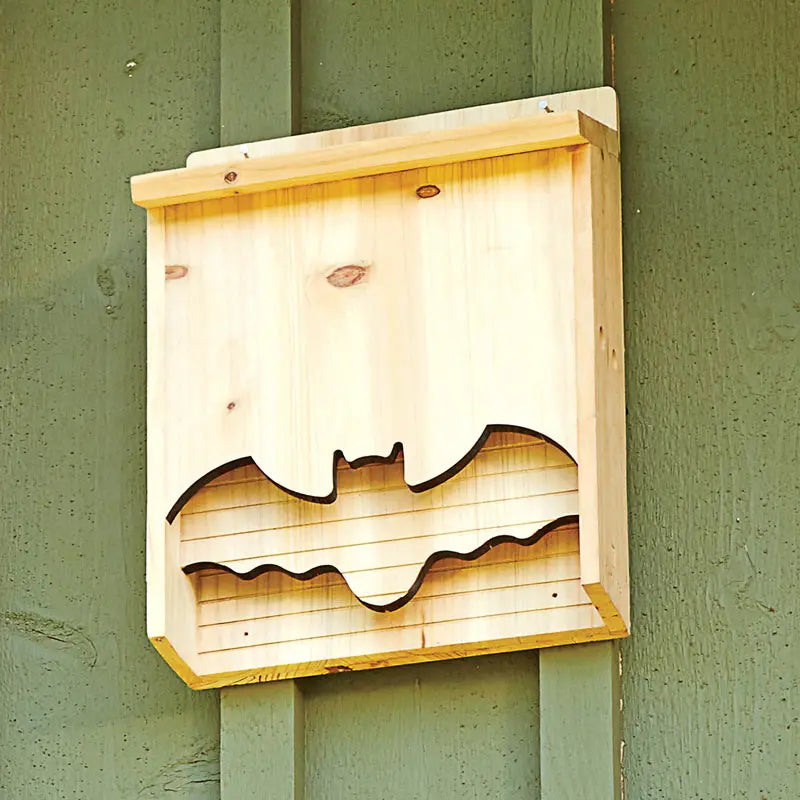
That said, it can be fun and entertaining to have a proper bat house on your property. Bats DO eat lots of insects at night, many of which are the moth form of caterpillar pests. But making a bat box that will be occupied by actual bats can be a considerable task. The following details are compiled from a fabulous website called Bat Conservation International, which you should visit before taking on this task.
The boxes need to be open at the bottom and provide at least a ten-to-twenty-foot drop without obstructions for the bats to exit in their natural manner. They have to be positioned in a way that works with your climate. Bat houses in hot regions are not going to be facing the sun, while houses in cooler climes should be facing the sun, to warm up the bats inside. In addition, hot clime houses should be painted white to reflect the heat. (Never paint the inside of a box.)
Size matters greatly. Sources generally suggest that each box be able to contain a minimum of at least 25 bats, as they are highly social creatures that use their numbers to cool the house on a hot day by spreading out, and keep it warm during colder times by huddling together. Bigger bat houses are more likely to be occupied than smaller ones.
Bat Conservation International also recommends a kind of bat twin, with one box painted to absorb the sun, another painted to repel it and a connecting space at the top to let the bats move freely back and forth.
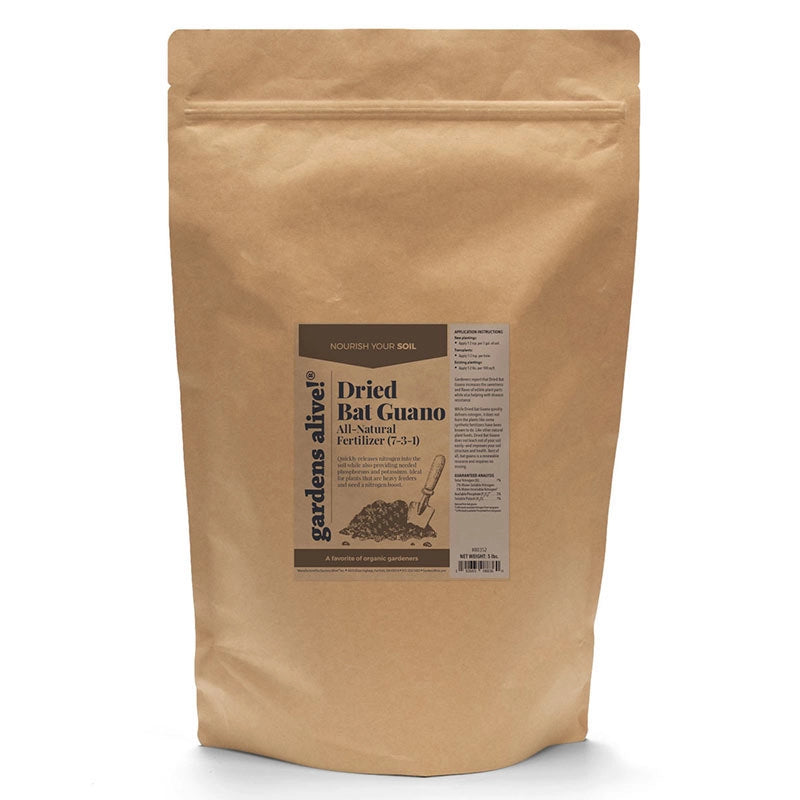
Don’t disturb them by trying to peek inside. If the box is occupied, there should be distinctive piles of bat guano underneath. It’s fine to harvest this nitrogen-rich material for your garden, but be sure to wear a high-quality dust mask, wear good gloves and mix the material into the center of your compost pile.
And finally: Don’t use any kind of treated wood. The preferred wood is a little rough on the inside to help them cling. And, of course, you must have a pesticide-free garden—but you knew that.
Join us again next week for the final installment in this series; the things that really do work to keep you bite free!
This explanation was prompted by my discovery of a post at a website called “Kindness for all Living Beings” urging people not to use the useless machines. However, later posts and comments did urge people to put up bat houses, and included the claim that “one bat can eat between one and twenty-five thousand mosquitoes a night” and then went on to explain how to build and position a bat house that will actually house bats.
As the Beach Boys sang, ‘wouldn’t it be nice?”
The Benton County Mosquito Control District of Washington State is one of many reliable sources that explain how this idea got into people’s heads.
And we quote: “In 1960, D.R. Griffin, F.A. Webster, and C.R. Michael published a study, "The Echolocation of Flying Insects by Bats" in the journal Animal Behavior, 8:141-154. (Citation included in this story.) The purpose of their study was to test and observe the echolocation of bats, not their feeding habits. So what better target than something small like mosquitoes to really test the bats’ ability to find prey?
• Only 'proven hunters' were used. The scientists made sure to use bats that had been observed to be active and aggressive hunters.
• The testing room was 8 feet by 16 feet in size.
• Hunting sessions were 10-15 minutes in length.
• 2,000 mosquitoes, and only mosquitoes, were released into the testing room.
One bat did achieve capturing 9.5 mosquitoes per minute (on average). This same bat on another testing round captured only 1.7 mosquitoes per minute (avg).
• The scientists also recorded that "On other occasions the same bats gained very little weight, or even lost weight while flying in the chamber."
• That one time a bat achieved the 9.5 mosquitoes per minute capture rate was what was later used to come up with the claim that "bats eat 600 mosquitoes per hour".
The researcher’s Conclusions:
• The Benton County Researchers conclude {quote} “We agree with the assertion that bats will feed upon mosquitoes, but based upon numerous other studies, we believe it has been shown that bats are opportunistic feeders and are not an effective or reliable form of mosquito control.
• Our concern is the misinformation that comes from taking one sentence out of an entire study and then making wide sweeping assumptions that may affect the public’s perception on what are effective mosquito control tactics.
Purple Martins: Mosquito Eating Machines?:
Another popular myth is that Purple Martins eat extremely large numbers of mosquitoes daily. The Purple Martin Conservation Society addresses this issue at their website: www.purplemartin.org where it states, "Purple Martins do not eat a large number of mosquitoes. Martins feed high in the sky during the daytime, so they do not come into contact with mosquitoes very often." Nighthawks might be the best mosquito-eating birds, as they also fly by night.
That said, it can be fun and entertaining to have a proper bat house on your property. Bats DO eat lots of insects at night, many of which are the moth form of caterpillar pests. But making a bat box that will be occupied by actual bats can be a considerable task. The following details are compiled from a fabulous website called Bat Conservation International, which you should visit before taking on this task.
The boxes need to be open at the bottom and provide at least a ten-to-twenty-foot drop without obstructions for the bats to exit in their natural manner. They have to be positioned in a way that works with your climate. Bat houses in hot regions are not going to be facing the sun, while houses in cooler climes should be facing the sun, to warm up the bats inside. In addition, hot clime houses should be painted white to reflect the heat. (Never paint the inside of a box.)
Size matters greatly. Sources generally suggest that each box be able to contain a minimum of at least 25 bats, as they are highly social creatures that use their numbers to cool the house on a hot day by spreading out, and keep it warm during colder times by huddling together. Bigger bat houses are more likely to be occupied than smaller ones.
Bat Conservation International also recommends a kind of bat twin, with one box painted to absorb the sun, another painted to repel it and a connecting space at the top to let the bats move freely back and forth.
Don’t disturb them by trying to peek inside. If the box is occupied, there should be distinctive piles of bat guano underneath. It’s fine to harvest this nitrogen-rich material for your garden, but be sure to wear a high-quality dust mask, wear good gloves and mix the material into the center of your compost pile.
And finally: Don’t use any kind of treated wood. The preferred wood is a little rough on the inside to help them cling. And, of course, you must have a pesticide-free garden—but you knew that.
Join us again next week for the final installment in this series; the things that really do work to keep you bite free!