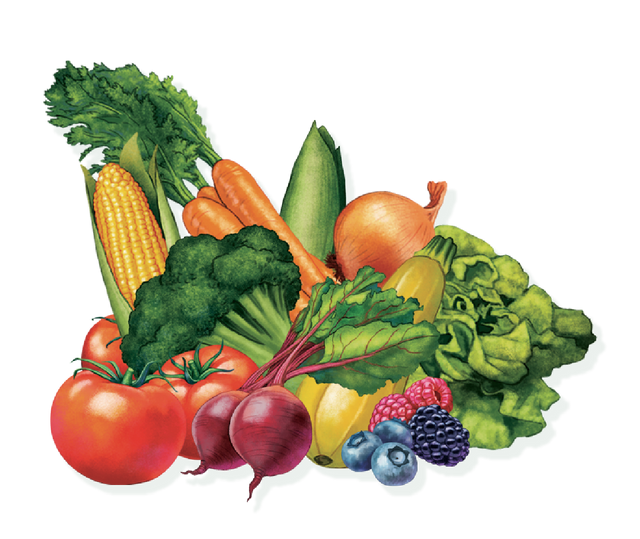
Unsure which variety to choose? Consider our customer favorites. Many of these customer favorites—from asparagus to strawberries and blueberries, to tomatoes, squash and corn, have stood the test of time—and are reliable and flavorful.
- Top Categories
- Niles' Fall Favorites
- Plants Under $25
- Buy More, Save More
- Best Sellers
- Gifts & Apparel
- Vegetables
- Annual Veggie Plants
- Niles' Favorites
- Asparagus
- Beans
- Beets
- Broccoli
- Brussels Sprouts
- Cabbage
- Carrots
- Cauliflower
- Chard
- Cole Crops
- Corn
- Cucumbers
- Deer Resistant Plants
- Eggplant
- Garlic
- Gourds
- Greens
- Heirloom Vegetables
- Herbs
- Kale
- Kohlrabi
- Lettuce
- Okra
- Onions
- Peas
- Peppers
- Potatoes
- Pumpkins
- Radishes
- Rhubarb
- Root Crops
- Seed Tape
- Spinach
- Sprouts & Microgreens
- Squash
- Sweet Potatoes
- Tomatoes
- Vegetable Seeds
- Fruit Trees
- All Fruit Trees
- Apple Trees
- Apricots, Nectacots and Nectarines
- Fig Trees
- Peach Trees
- Pear Trees
- Plum Trees
- Fruit Vines & Bushes
- All Berry Plants
- Blackberries
- Blueberries
- Cherry Bushes
- Grape Vines & Plants
- Melon Seeds
- Raspberry Plants
- Strawberries
- Watermelon Seed
- Specialty Fruits
- Exclusive Fruits
- Hybrid Fruits
- Native & Unique Fruits
- Reachables® Dwarf Fruit Trees
- Stonefruit
- Tropicals and Citrus Plants
- Shop By Feature
- Deer Resistant Flowers
- Flower Bulbs
- Flower Seed
- Grass Seed
- Groundcovers
- Ornamental Grasses
- Shade Perennials
- Sun Perennials
- Vines & Climbers
- Shop By Type
- Clematis
- Cosmos
- Daffodils
- Daylily
- Hostas
- Iris
- Lilies
- Marigolds
- Mixed Flower Seeds
- Peony Plants
- Phlox
- Roses
- Sunflowers
- Tulips
- Zinnia
- Shop By Feature
- Attracts Pollinators
- Deer Resistant Shrubs
- Evergreen Trees & Shrubs
- Flowering Trees
- Privacy Trees & Hedges
- Pest & Disease Control
- Beneficial Nematodes
- Garden Animal Control
- Insect Control
- Plant Disease Control
- Garden Supplies
- Container Gardening
- Grow Tubs
- Harvesting & Kitchen Supplies
- Plant Supports
- Season Extenders
- Seed Starting Supplies
- Tools & Supplies
- Only From Gurney's
- Exclusive Fruits
- Exclusive Veggies
- Exclusive Ornamentals
- Exclusive Supplies
- Experience the Gurney's Difference
- Gifts & Apparel
- Gurney's Content
- Dig In with Gurney's
- Gardening Videos
- Gurney's Blog
- Gurney's Innovation
- Recipes
- You Bet Your Garden
We've sent you an email with a link to update your password.
My account
Reset your password
We will send you an email to reset your password.